

Advanced Pathways to Parenthood: A Deep Dive into IVF
In the evolving landscape of reproductive medicine, Assisted Reproductive Technologies (ART) have become a beacon of hope for couples facing fertility challenges. While the journey to conception can be complex, modern medical advancements offer sophisticated solutions tailored to individual physiological needs. Among the most discussed and practiced methods are In Vitro Fertilization (IVF) and Gamete Intrafallopian Transfer (GIFT). Understanding the distinct mechanisms, treatment protocols, and care requirements of these procedures is the first step toward making an informed decision about one’s reproductive future.
Defining the Procedures: IVF vs. GIFT
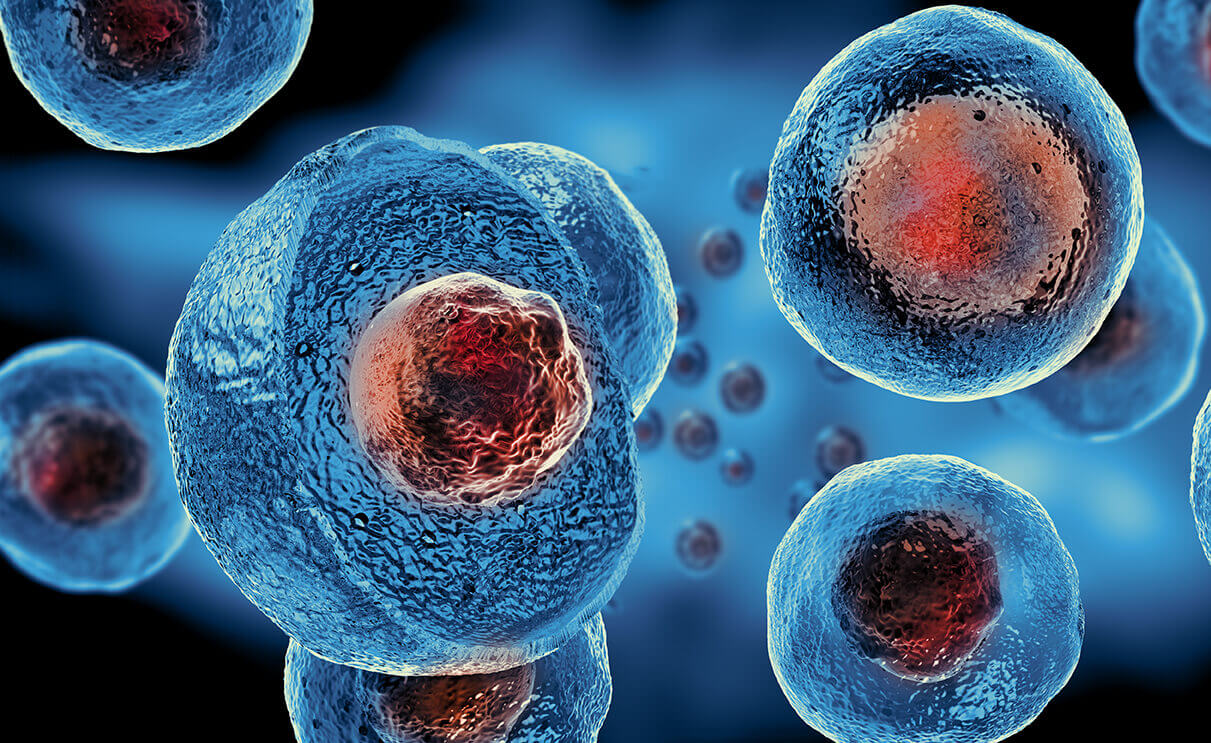
To appreciate the nuances of treatment, one must first distinguish between the two primary methodologies. In Vitro Fertilization (IVF) is the most widely recognized form of ART. In this process, fertilization occurs outside the human body. Oocytes (eggs) are retrieved from the ovaries and combined with sperm in a specialized laboratory dish. Once fertilization is confirmed and embryonic development begins, the resulting embryo is transferred into the uterus.
Gamete Intrafallopian Transfer (GIFT), while less common in the era of advanced IVF, remains a viable option for specific patients, particularly those with at least one healthy fallopian tube and no male factor infertility. Unlike IVF, fertilization in GIFT takes place inside the body. The eggs and sperm are collected but are immediately mixed and surgically injected into the fallopian tubes using a laparoscope. This allows fertilization to occur in its natural physiological environment.
Leading medical institutions, such as Liv Hospital, emphasize that the choice between IVF and GIFT depends heavily on the patient’s specific medical history, the condition of the fallopian tubes, and the quality of the sperm.
The Treatment Protocol: A Step-by-Step Medical Overview
The treatment cycle for both procedures begins with Ovarian Stimulation. Under natural conditions, a woman typically produces one egg per cycle. To maximize success rates, fertility specialists prescribe gonadotropins—injectable hormones that stimulate the ovaries to produce multiple follicles. During this phase, rigorous monitoring via transvaginal ultrasound and blood tests is essential to track follicle growth and prevent Ovarian Hyperstimulation Syndrome (OHSS).
Once the follicles reach the optimal size, a final injection of human chorionic gonadotropin (hCG) is administered to induce final egg maturation. Approximately 34 to 36 hours later, the Egg Retrieval takes place.
- For IVF: Retrieval is usually performed under mild sedation using an ultrasound-guided needle. It is a minimally invasive outpatient procedure.
- For GIFT: Because the gametes must be placed into the fallopian tubes, this procedure is performed via laparoscopy, which requires general anesthesia and small incisions in the abdomen.
Following retrieval, the paths diverge. In IVF, the biological work shifts to the embryology lab, where fertilization is monitored over several days. In GIFT, the mixture of sperm and eggs is transferred immediately during the laparoscopic procedure, meaning there is no external confirmation of fertilization before the “two-week wait.”
Comprehensive Care and Patient Management
Success in ART is not solely defined by the technical execution of the procedure but also by the quality of pre- and post-treatment care. IVF GIFT Treatment and Care encompasses a holistic approach that begins months before the actual cycle. Patients typically undergo extensive screening, including hormonal profiling, uterine cavity evaluation (hysteroscopy), and infectious disease testing.
During the active treatment phase, care focuses on medication management. Patients must adhere to strict schedules for hormone injections to ensure the endometrial lining is receptive to implantation. For GIFT patients, post-operative care is also necessary to manage recovery from the laparoscopic surgery, which may involve a slightly longer recovery time compared to standard IVF.
Medical teams also prioritize the mitigation of risks. The most significant risk in both procedures is a multiple pregnancy (twins, triplets, etc.), which carries higher risks for both mother and babies. Modern protocols often advocate for Single Embryo Transfer (SET) in IVF to reduce this risk, although GIFT offers less control over how many eggs are fertilized once placed inside the tube.
The Role of Lifestyle in Clinical Outcomes
While medical science provides the mechanics for conception, the biological environment is sustained by the patient’s overall health. Physicians increasingly advocate for an integrated approach where clinical excellence meets lifestyle optimization. Factors such as nutritional balance, stress reduction, and adequate sleep hygiene play supportive roles in regulating hormones and improving gamete quality.