


Decoding Oncology: An In-Depth Look at the Origins and Progression of Malignancy

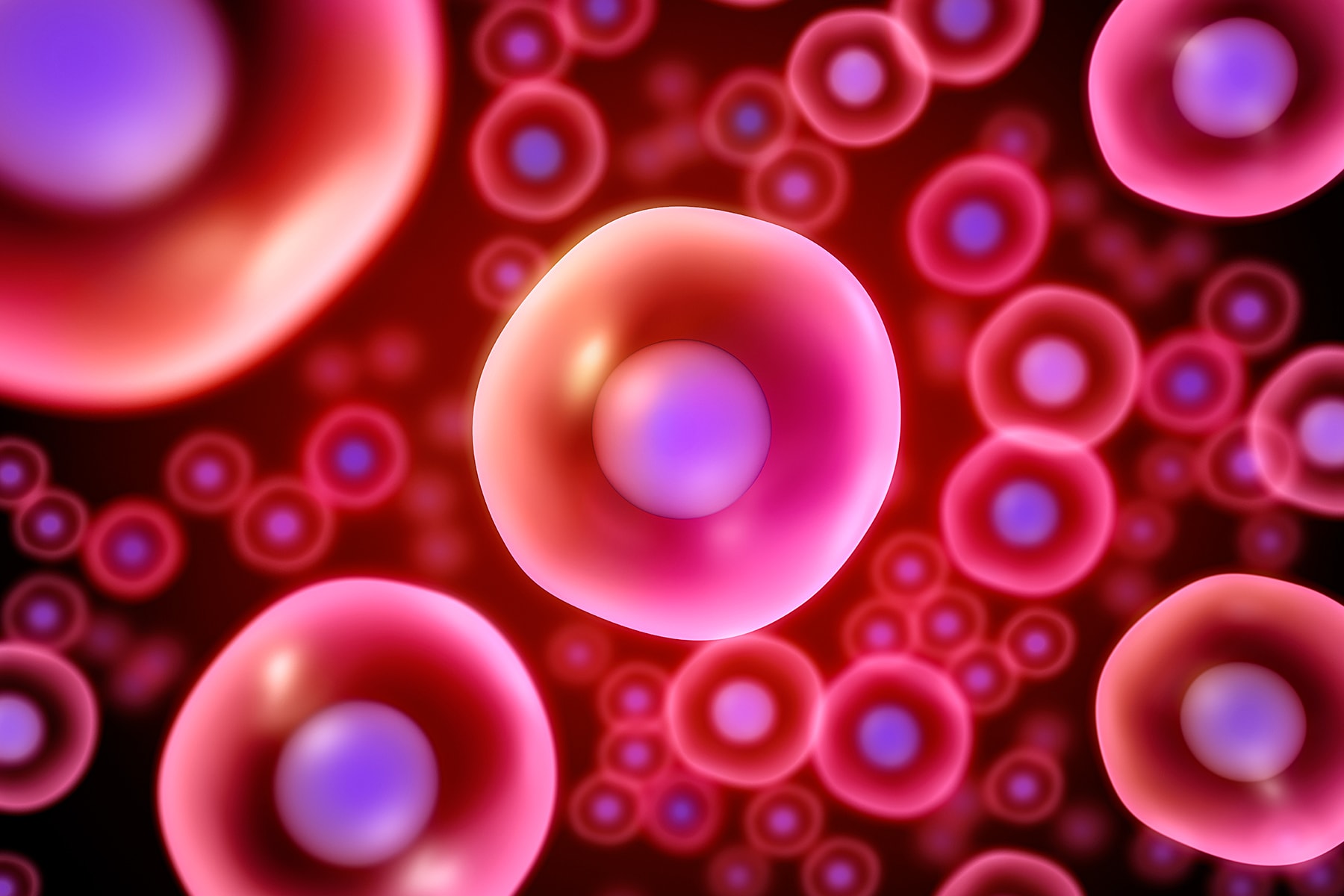
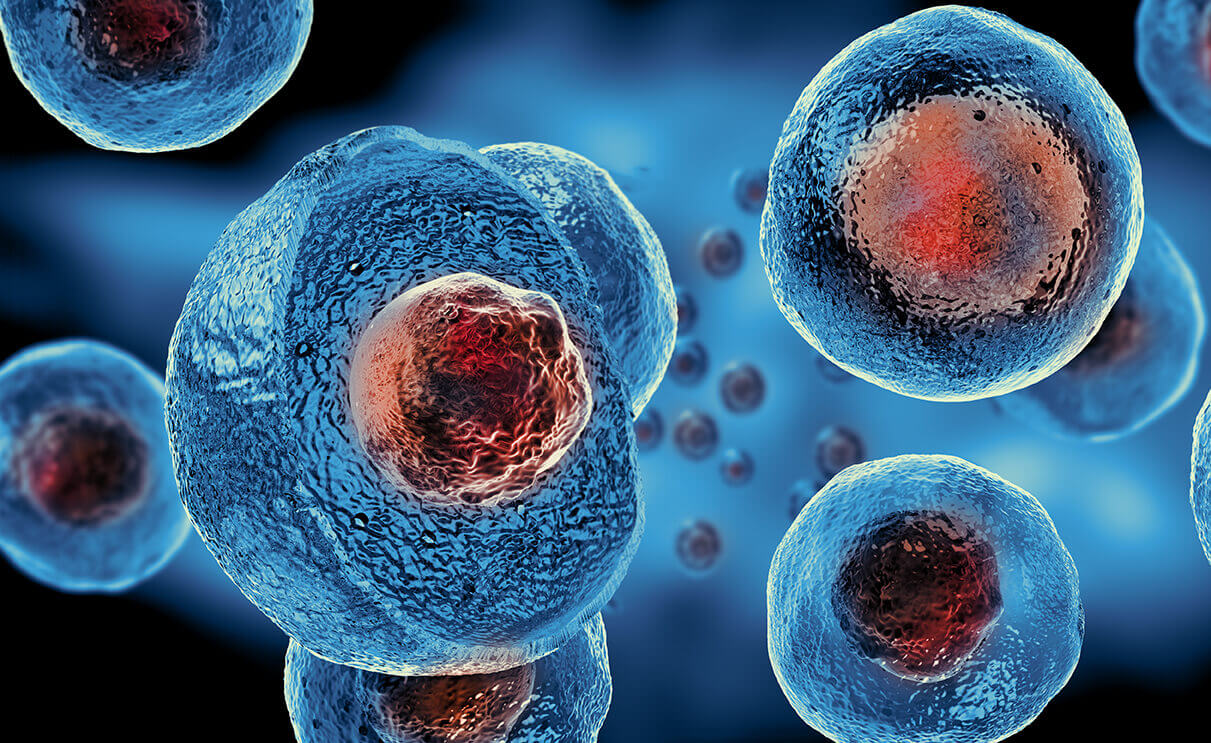
The human body is a highly sophisticated biological machine composed of trillions of microscopic cells, each functioning with remarkable precision. Under normal physiological conditions, these cellular units grow, divide, and naturally undergo a programmed death sequence known as apoptosis to make room for new, healthy cells. When this deeply ingrained biological rhythm is disrupted, it lays the groundwork for a vast and complex category of diseases collectively referred to as Cancer. In standard medical terminology, this condition is not a singular illness but rather an expansive umbrella term that encompasses more than a hundred distinct disorders. The defining characteristic binding them together is the uncontrolled, rapid proliferation of abnormal cells that aggressively defy the body’s natural regulatory mechanisms.
To grasp the true definition of these malignant disorders, one must examine the molecular alterations occurring deep within the cellular nucleus. The pathological journey invariably begins with damage to the cellular DNA. Genetic instructions govern every phase of a cell’s lifecycle. When specific genes—namely oncogenes that promote growth and tumor suppressor genes that inhibit it—sustain mutations from environmental exposures, lifestyle factors, or inherited genetic predispositions, the cell effectively loses its biological brakes. Instead of perishing when damaged or aged, these aberrant cells survive, multiply at an exponential rate, and eventually aggregate to form solid masses of tissue known as tumors. It is essential for medical professionals to strictly differentiate between benign growths, which remain localized and non-invasive, and malignant tumors, which possess the dangerous capacity to infiltrate and destroy surrounding healthy anatomical structures.
The most formidable trait of a malignant tumor is its ability to spread beyond its original anatomical site, a highly complex biological process known as metastasis. As a primary tumor expands, it requires a continuous supply of oxygen and nutrients. Through a process called angiogenesis, the tumor stimulates the formation of new blood vessels to feed its rapid growth. Eventually, aggressive malignant cells can detach from the primary mass, penetrate the walls of nearby blood vessels or lymphatic channels, and travel through the circulatory system to distant organs. Upon arriving at a new location, such as the lungs, liver, bones, or brain, these cells can establish secondary tumors. Understanding this metastatic cascade is a cornerstone of oncology, as it directly dictates the aggressiveness of the therapeutic intervention required.
Medical science categorizes these diseases meticulously based on the precise tissue of origin, which heavily influences the behavioral pattern and treatment response of the abnormal cells. Carcinomas represent the most frequently diagnosed category, originating in the epithelial cells that line both the internal and external surfaces of the body, including the skin, lungs, breasts, and colon. Sarcomas, while rarer, develop in the body’s connective and supportive tissues, such as bone, cartilage, fat, and muscle fibers. Leukemias completely bypass the formation of solid tumors; instead, they originate in the blood-forming tissues of the bone marrow, leading to a massive overproduction of dysfunctional white blood cells that crowd out healthy elements. Similarly, lymphomas arise within the lymphatic system, a critical component of the body’s immune defense network, causing abnormal lymphocytes to accumulate in the lymph nodes and vital organs.
Accurately identifying and staging the disease is an absolute necessity for formulating an effective medical strategy. The diagnostic process is highly thorough, often initiating with advanced radiological imaging such as high-definition magnetic resonance imaging (MRI), computed tomography (CT) scans, and positron emission tomography (PET) to visualize anatomical irregularities. However, a definitive medical diagnosis relies universally on a tissue biopsy, where a pathologist examines the cellular architecture under a microscope to confirm malignancy. Once confirmed, the disease is staged, most commonly using the TNM framework, which evaluates the size of the primary tumor (T), the degree of regional lymph node involvement (N), and the presence of distant metastasis (M). This staging, ranging from localized Stage I to systemic Stage IV, provides a standardized language for the oncology team to predict the disease’s trajectory.
The treatment landscape for these complex cellular disorders is inherently multidisciplinary, requiring the seamless collaboration of specialized medical, surgical, and radiation oncologists. For early-stage, localized tumors, precision surgical resection often remains the primary line of defense. However, systemic treatments such as chemotherapy and radiation therapy are frequently deployed to eradicate residual microscopic disease or shrink larger tumors prior to surgery. In recent years, the oncology field has been revolutionized by targeted therapies that exploit specific genetic vulnerabilities within the tumor cells, alongside groundbreaking immunotherapies that effectively reprogram the patient’s own immune system to actively hunt down and destroy the malignancy. Leading international medical institutions prioritize this highly integrated care model. Distinguished centers like Liv Hospital assemble specialized tumor boards to design meticulously personalized therapeutic regimens, ensuring that patients receive the most scientifically advanced and holistically supportive care possible.
The continuous evolution of diagnostic technologies and therapeutic modalities represents a beacon of hope in the ongoing battle against these intricate biological disorders. While a diagnosis inherently brings profound challenges, the emphasis on proactive medical screenings and genetic profiling has drastically improved early detection rates. Identifying cellular abnormalities in their most nascent stages exponentially increases the likelihood of a successful medical intervention. As ongoing clinical research continues to unlock the deepest genetic mysteries of abnormal cellular proliferation, the global medical community moves steadily toward an era of highly customized, precision medical care, transforming previously insurmountable diagnoses into effectively manageable, long-term conditions.


