

The Architecture of Human Mobility: An Overview and Definition of Orthopedics
The human body relies on an incredibly sophisticated framework to facilitate movement, provide structural support, and protect vital internal organs. The medical specialty dedicated to the preservation, diagnosis, and treatment of this intricate framework is known as orthopedic medicine. At its core, this highly specialized field addresses the entire musculoskeletal system, which encompasses bones, joints, ligaments, tendons, muscles, and peripheral nerves. While the discipline originally focused on treating developmental structural deformities in children—hence the Greek roots “ortho” meaning straight and “pais” meaning child—it has evolved into a vast medical science catering to patients of all ages, from high-performance athletes requiring rapid tissue repair to older adults seeking lasting relief from severe degenerative joint diseases.
The Scope of Musculoskeletal Health
The sheer scope of conditions managed within this specialty is vast, reflecting the complex biological nature of the musculoskeletal system. Every movement, from the simplest physical step to the most demanding athletic exertion, requires seamless mechanical coordination between rigid skeletal structures and flexible connective tissues. When this functional harmony is disrupted by acute physical trauma, chronic wear and tear, or systemic autoimmune disease, the resulting structural impairment can profoundly impact an individual’s overall quality of life.
Medical professionals in this field are rigorously trained to manage a wide array of structural ailments. This includes acute orthopedic trauma such as multi-fragmentary bone fractures, severe joint dislocations, and acute soft tissue tears like anterior cruciate ligament (ACL) ruptures. Furthermore, specialists routinely treat chronic, progressive conditions such as osteoarthritis, osteoporosis, spinal stenosis, and severe intervertebral disc herniations, all of which require meticulous, long-term management strategies.
Diagnostic Precision and Assessment
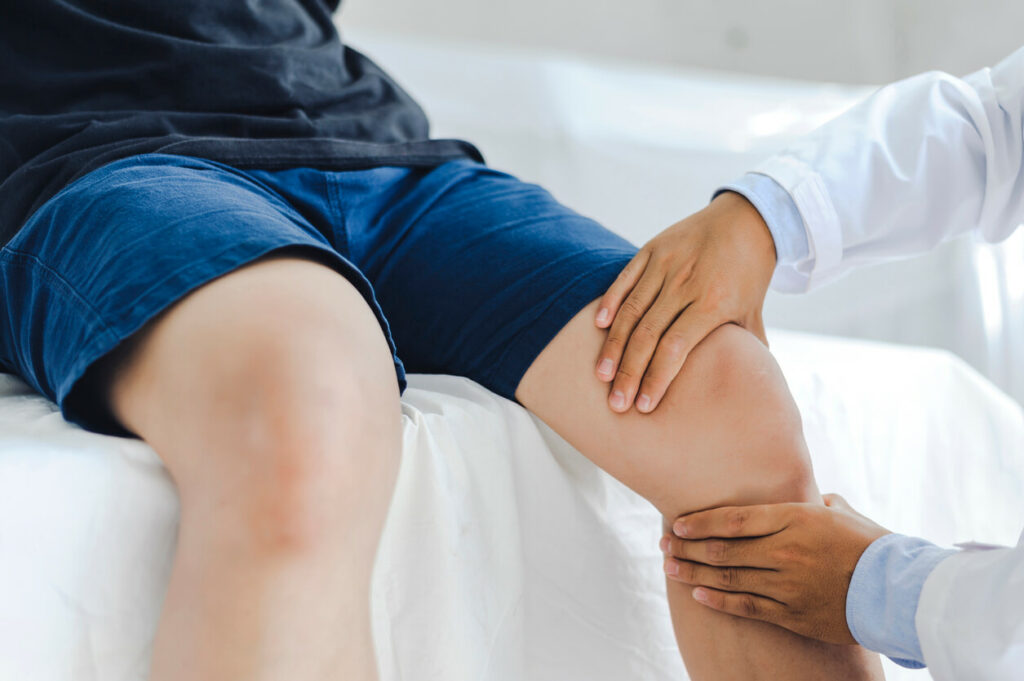
Accurate diagnosis forms the absolute foundation of effective musculoskeletal care. Medical professionals utilize a precise combination of detailed physical examinations, extensive patient history assessments, and highly advanced radiological imaging technologies to pinpoint structural and cellular abnormalities. High-resolution digital X-rays remain a primary diagnostic tool for evaluating bone density integrity and identifying acute skeletal fractures or significant joint spacing loss.
However, to properly assess complex soft tissue injuries involving articular cartilage, tendons, and delicate ligaments, specialists rely heavily on advanced magnetic resonance imaging (MRI) and computed tomography (CT) scans. This precise diagnostic capability ensures that therapeutic medical interventions are targeted exactly where they are biologically needed, thereby minimizing unnecessary treatments and optimizing the overall patient recovery timeline.
Conservative Management and Rehabilitation Strategies
It is a common medical misconception that this specific specialty relies exclusively on operative surgical intervention. In clinical reality, a highly significant portion of orthopedic care is dedicated entirely to conservative, non-invasive structural management. Before considering the operating room, medical specialists typically exhaust an extensive array of physical therapies and pharmacological treatments.
Physical rehabilitation plays a crucial role in the healing process, utilizing targeted biomechanical exercises to strengthen supportive muscle groups and restore proper joint kinematics. Additionally, specialized medical interventions such as customized bracing, orthotics, localized corticosteroid injections, and advanced cellular therapies like platelet-rich plasma (PRP) are frequently employed to reduce localized tissue inflammation and actively promote natural biological healing. These conservative modalities very often provide substantial symptomatic relief, allowing patients to successfully regain physical function without ever requiring invasive procedures.
Advanced Surgical Interventions
When conservative medical measures prove insufficient to resolve debilitating physical pain or restore essential structural function, surgical intervention becomes the strictly necessary course of action. The surgical aspect of this medical field has witnessed truly remarkable technological advancements over the past several decades. Today, specialized surgeons routinely perform minimally invasive arthroscopic procedures, utilizing miniature high-definition cameras and specialized micro-instruments to meticulously repair joint damage through extremely small surgical incisions. This highly refined approach significantly reduces surrounding tissue trauma and drastically accelerates postoperative physical recovery.
For patients suffering from end-stage structural joint degeneration, total or partial joint replacement (arthroplasty) offers a highly effective, life-changing medical solution. The advanced integration of highly biocompatible prosthetic materials and robotic-assisted surgical computing systems has dramatically improved the anatomical precision, long-term durability, and natural mechanical feel of artificial joint implants.
Integrated Multidisciplinary Care
Effectively navigating complex musculoskeletal conditions strictly requires a highly coordinated, multidisciplinary medical approach. Premier healthcare institutions heavily prioritize a collaborative care model, seamlessly integrating the specialized expertise of orthopedic surgeons, rheumatologists, physical therapists, and dedicated pain management physicians.
Leading international healthcare centers, such as Liv Hospital, are specifically designed to consistently provide this elite, comprehensive level of patient care. By housing state-of-the-art diagnostic imaging equipment, advanced robotic surgical theaters, and dedicated physical rehabilitation facilities entirely under one roof, these specialized institutions ensure a completely seamless continuum of medical care. This highly integrated medical environment is particularly beneficial for patients managing severe structural trauma or complex reconstructive anatomical needs, as it allows for immediate, cross-specialty clinical collaboration.
The dedicated pursuit of lifelong musculoskeletal health is a highly dynamic medical endeavor. As surgical technology and cellular therapies continue to advance at a rapid pace, the medical methods for preserving skeletal integrity and restoring physical mobility will only become substantially more refined. Through expert medical intervention, precision diagnostics, and highly tailored therapeutic strategies, individuals facing severe structural challenges can successfully overcome debilitating physical limitations and maintain an exceptionally high quality of life.


