

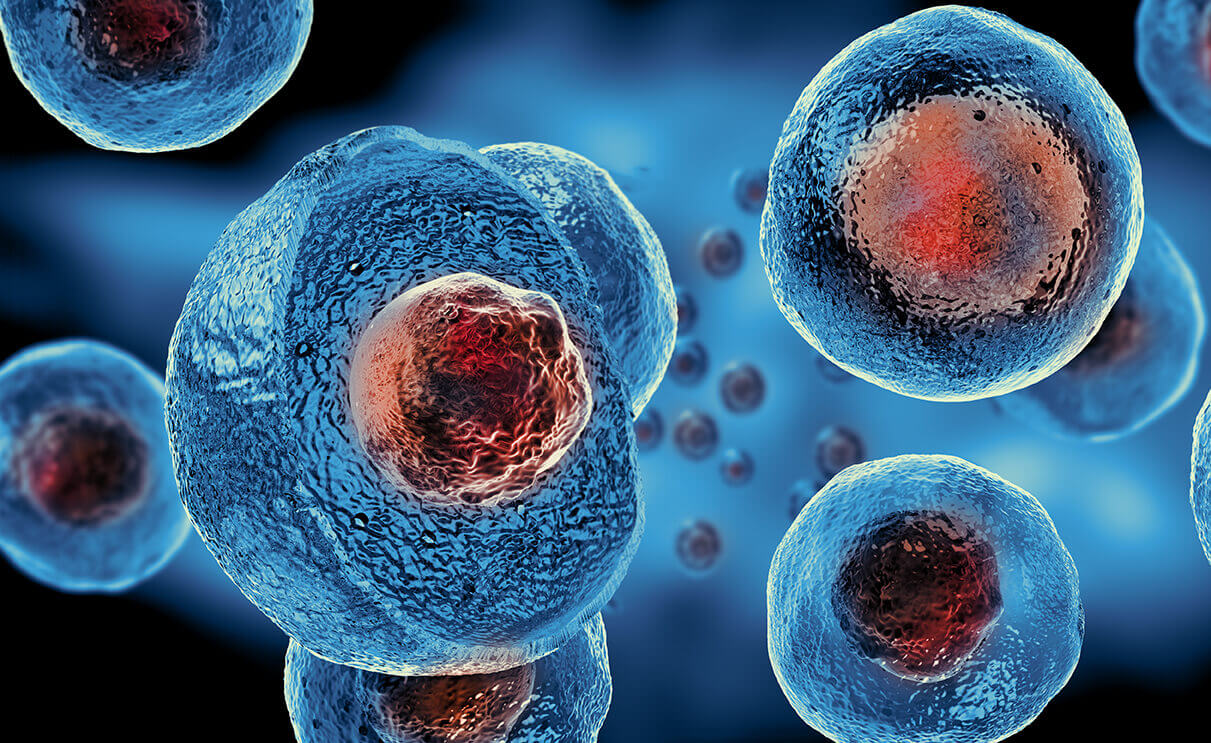


Transforming Outcomes: The Power of Cellular Therapy in Treating Bone Marrow Failure
Bone marrow failure represents a critical hematological crisis where the body’s primary cellular factory ceases to produce adequate amounts of healthy blood components. Whether acquired through environmental exposure, autoimmune responses, or inherited through rare genetic mutations, this condition leaves patients exceptionally vulnerable to life-threatening complications. Historically, individuals diagnosed with these severe syndromes relied heavily on supportive care, enduring endless cycles of blood transfusions and heavy immunosuppressive medications to manage symptoms. Today, modern medical science offers a definitive, curative approach. By replacing the exhausted or malfunctioning marrow with a healthy, vigorous cellular source, physicians can effectively restore the body’s natural hematological balance and secure long-term survival.
The Biological Mechanics of Marrow Dysfunction
To appreciate the necessity of advanced therapeutic interventions, one must first examine the biological role of the bone marrow. Deep within the cavities of the human skeletal system lies a spongy tissue rich in hematopoietic stem cells. These immature, powerful cells continuously divide and differentiate to maintain the body’s blood supply, producing oxygen-carrying red blood cells, infection-fighting white blood cells, and platelets necessary for critical blood clotting.
When a condition such as severe aplastic anemia or a myelodysplastic syndrome strikes, this intricate production line halts. The bone marrow becomes starkly empty or populated by defective cells, resulting in a dangerous deficit across all three blood cell lines—a medical condition known as pancytopenia. Without adequate red blood cells, patients suffer from profound, debilitating fatigue. The lack of white blood cells strips away the body’s immune defenses, turning common pathogens into lethal threats, while depleted platelet levels lead to uncontrolled bleeding. Supportive therapies merely temporarily replenish these circulating cells; they do not repair the fundamental failure occurring within the bone marrow itself.
Addressing the Root Cause Through Cellular Replacement
Reversing this systemic collapse requires an intervention that targets the disease at its origin. The application of advanced Stem CellMarrow Failure treatments serves as the cornerstone of modern curative therapy. An allogeneic stem cell transplant entirely replaces the patient’s defective hematopoietic system with a robust, healthy supply of stem cells procured from a genetically compatible donor.
Instead of continually managing the symptoms of failing marrow, this therapy reboots the entire system. Once introduced into the patient’s bloodstream, the healthy donor stem cells exhibit a remarkable biological homing mechanism, migrating directly into the empty bone marrow cavities. Over the ensuing weeks, these newly settled cells begin to multiply and engraft, autonomously rebuilding a brand-new, fully functional immune and hematological network capable of sustaining the patient’s life without the need for constant medical support.
The Intricacies of the Transplant Procedure
Executing a cellular transplant is an incredibly complex undertaking that requires meticulous precision. Before receiving the healthy donor cells, patients undergo a highly rigorous preparatory phase known as conditioning. Medical professionals administer highly specific chemotherapy regimens, and sometimes targeted radiation, to achieve two critical goals: completely eradicating the patient’s remaining, defective bone marrow cells and sufficiently suppressing the immune system to prevent it from rejecting the incoming foreign cells.
Following the conditioning phase, the actual cellular infusion is performed intravenously, closely resembling a standard blood transfusion. The true challenge lies in the subsequent engraftment period. During this highly sensitive window, the patient’s blood counts drop to near zero, leaving them profoundly immunocompromised. It is during this critical timeframe that the newly infused cells race to establish themselves and begin generating a fresh supply of healthy blood components.
The Imperative of Precise Immunological Matching
The ultimate success of replacing defective marrow hinges heavily on identifying a highly compatible donor. The immune system uses specialized proteins to distinguish self from non-self, determined through Human Leukocyte Antigen (HLA) typing. If the HLA markers between the donor and recipient do not closely align, the patient faces the severe risk of graft-versus-host disease (GVHD), a potentially fatal complication where the newly engrafted immune cells recognize the recipient’s body as foreign and launch a systemic attack.
A fully HLA-matched sibling remains the optimal source for these life-saving cells. However, recognizing the limitations of familial matching, global registries have dramatically expanded the potential donor pool. Advancements in immunomodulatory medications and precise biological protocols now allow hematologists to successfully utilize fully matched unrelated donors and haploidentical (half-matched) family members, granting a much wider demographic of patients access to this transformative procedure.
The Vital Role of Specialized Medical Environments
Because the preparatory conditioning phase intentionally strips patients of their natural immune defenses, the physical environment where recovery occurs is just as vital as the biological treatment. Patients must be housed in strictly regulated, highly sanitized positive-pressure isolation units equipped with advanced high-efficiency particulate air (HEPA) filtration systems to ward off opportunistic environmental pathogens.
Delivering this elite level of care requires a robust, deeply synchronized multidisciplinary medical infrastructure. Highly specialized institutions, such as Liv Hospital, are specifically architected to support the extreme demands of cellular transplantation. These world-class facilities bring together expert transplant hematologists, dedicated infectious disease specialists, intensive care units, and specialized oncology nurses who work in tandem to monitor the patient meticulously, rapidly address any emerging complications, and ensure the highest possible safety standards throughout the grueling recovery process.
Advancing the Horizon of Hematological Treatments
The medical landscape surrounding severe blood disorders continues to evolve at an encouraging pace. Researchers are tirelessly refining conditioning regimens to make them less toxic, thereby extending transplant eligibility to older populations and those with pre-existing comorbidities who were previously excluded from such intensive interventions. Concurrently, leaps in targeted biological therapies and advanced immunosuppressants are significantly reducing the incidence of post-transplant complications. As these continuous scientific refinements seamlessly integrate into standard protocols, the prospect of overcoming once-fatal bone disorders grows increasingly optimistic, firmly establishing cellular therapy as a pillar of modern hematological triumph.


